
Understanding the Role of VPNs in Gaming
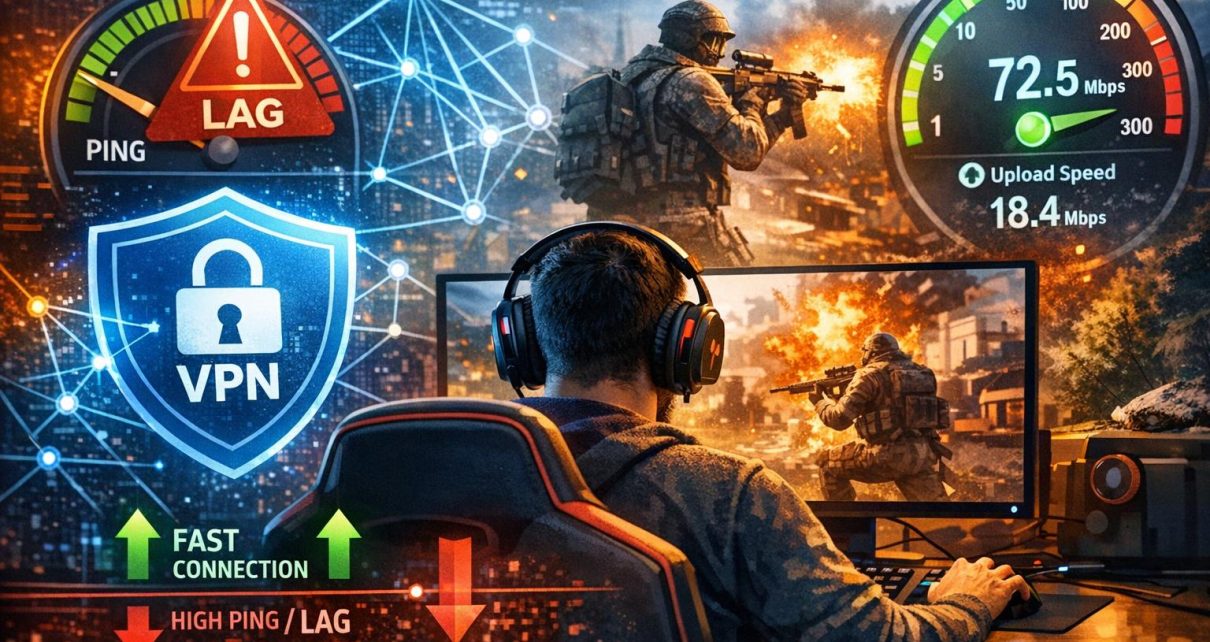
Virtual Private Networks (VPNs) have become a widely used tool in modern internet usage, especially among individuals concerned with privacy, security, and unrestricted access to online content. In gaming, VPNs serve a more specialized role, influencing the way players connect to servers, interact with other players, and protect their digital presence. While the core function of a VPN is to encrypt internet traffic and route it through remote servers, its practical impact on gaming varies depending on how it is configured and the specific needs of the player.
For gamers, the decision to use a VPN is rarely straightforward. It involves weighing trade-offs between security, performance, and accessibility. Understanding these factors can help clarify when and how a VPN is beneficial, and when it may introduce unnecessary complications.
Enhanced Security
One of the most significant advantages of using a VPN in gaming lies in its ability to enhance security. Online gaming environments, especially in competitive or multiplayer contexts, can expose players to various threats. Among these, DDoS attacks (Distributed Denial of Service) are particularly disruptive. Such attacks attempt to overwhelm a player’s connection with traffic, resulting in lag or complete disconnection.
By masking a user’s real IP address, a VPN acts as a protective layer between the player and potential attackers. This makes it more difficult for malicious actors to identify and target the player’s actual network. For streamers, professional players, or individuals participating in tournaments, this added layer of protection can be especially valuable.
In addition to DDoS mitigation, VPNs also encrypt data transmissions. This reduces the risk of interception on unsecured networks, such as public Wi-Fi. While this may not directly impact gameplay mechanics, it contributes to a safer overall gaming environment, particularly when account credentials or payment information are involved.
Access to Geographically Restricted Content
Another common use of VPNs in gaming is bypassing geographical restrictions. Game publishers often release titles, updates, or downloadable content in specific regions before making them globally available. By connecting to a VPN server located in a different region, players can appear as though they are accessing the internet from that location.
This capability enables participation in exclusive gaming releases, early access events, or region-locked servers. For example, a player may use a VPN to join servers in another country where a game update has already been deployed. This can provide early exposure to new features or content that would otherwise be inaccessible.
However, this practice is not without limitations. Some game publishers actively monitor and restrict VPN usage, particularly if it is used to bypass licensing agreements or pricing structures. In certain cases, accounts may face temporary restrictions or require additional verification, making it important for players to understand the policies of the games they play.
Potential Downsides
Despite their advantages, VPNs can introduce drawbacks that directly affect gaming performance. The most noticeable issue is often a reduction in connection quality. Because a VPN routes traffic through an additional server, it can increase the distance that data must travel between the player and the game server.
This added routing can result in slower connection speeds and reduced stability. Factors such as server congestion, encryption overhead, and the quality of the VPN provider’s infrastructure all contribute to this effect. In fast-paced online games, even minor disruptions in connection quality can impact gameplay significantly.
Another concern is inconsistency. Depending on server load and network conditions, a VPN connection may perform well at one moment and deteriorate the next. This variability can make it difficult for players to maintain consistent performance, especially in competitive environments where stability is critical.
Latency Concerns
Latency, often measured as ping, is one of the most important technical factors in online gaming. It determines how quickly a player’s actions are transmitted to the game server and how fast the server responds. Lower latency results in more responsive gameplay, while higher latency can cause noticeable delays.
Using a VPN typically increases latency because data must travel through an additional intermediary server. If the VPN server is located far from either the player or the game server, this delay becomes more pronounced. As a result, players may experience slower reaction times, delayed inputs, or synchronization issues.
In genres such as first-person shooters, fighting games, or real-time strategy games, where precise timing is essential, increased latency can place players at a disadvantage. Even a small delay can affect aiming accuracy or the outcome of time-sensitive interactions.
It is worth noting that in rare cases, a VPN can improve latency if the default routing provided by an internet service provider is inefficient. By selecting a more direct or less congested route through a VPN, players might achieve a more stable connection. However, this is highly situational and not the typical outcome.
Balancing Privacy and Performance
Achieving a balance between privacy and performance requires careful selection of a VPN services. Not all VPN providers are optimized for gaming, and the difference in performance can be substantial. High-quality providers typically invest in faster servers, better routing infrastructure, and protocols designed to reduce latency.
Some VPN providers offer features specifically aimed at gamers, such as low-latency servers, split tunneling, or optimized gaming routes. Split tunneling allows players to route only game traffic through the VPN while keeping other applications on a direct connection, reducing unnecessary load on the VPN.
Encryption strength can also influence performance. While stronger encryption offers better security, it may require more processing power and slightly reduce connection speed. Gamers must decide how much security they need relative to the demands of their gameplay.
Choosing the Right Server
The choice of VPN server location plays a critical role in determining performance outcomes. Ideally, the selected server should be geographically close to the game server rather than the player’s physical location. This minimizes the total travel distance of data packets and helps reduce latency.
Experimentation is often necessary. Players may need to test multiple servers to identify which provides the best balance of speed and stability. Factors such as server load, time of day, and network congestion can all influence results.
It is also important to consider server reliability. A server that frequently disconnects or experiences fluctuations in performance can disrupt gaming sessions, regardless of its location advantage. Consistency is often more valuable than achieving the lowest possible latency.
Conclusion
VPNs play a complex role in gaming, offering both practical advantages and notable drawbacks. They provide enhanced security by protecting against threats such as DDoS attacks and enable access to geographically restricted content. At the same time, they can introduce performance challenges, particularly in the form of increased latency and reduced connection stability.
The effectiveness of a VPN in gaming ultimately depends on how it is used and the priorities of the player. For those who value privacy and security, a VPN can be a useful addition when configured correctly. For players focused primarily on performance and competitive play, the trade-offs may outweigh the benefits.
A considered approach, including the selection of a suitable provider and careful server choice, is essential for maximizing the advantages while minimizing the impact on gameplay.