Understanding VPNs and Torrenting
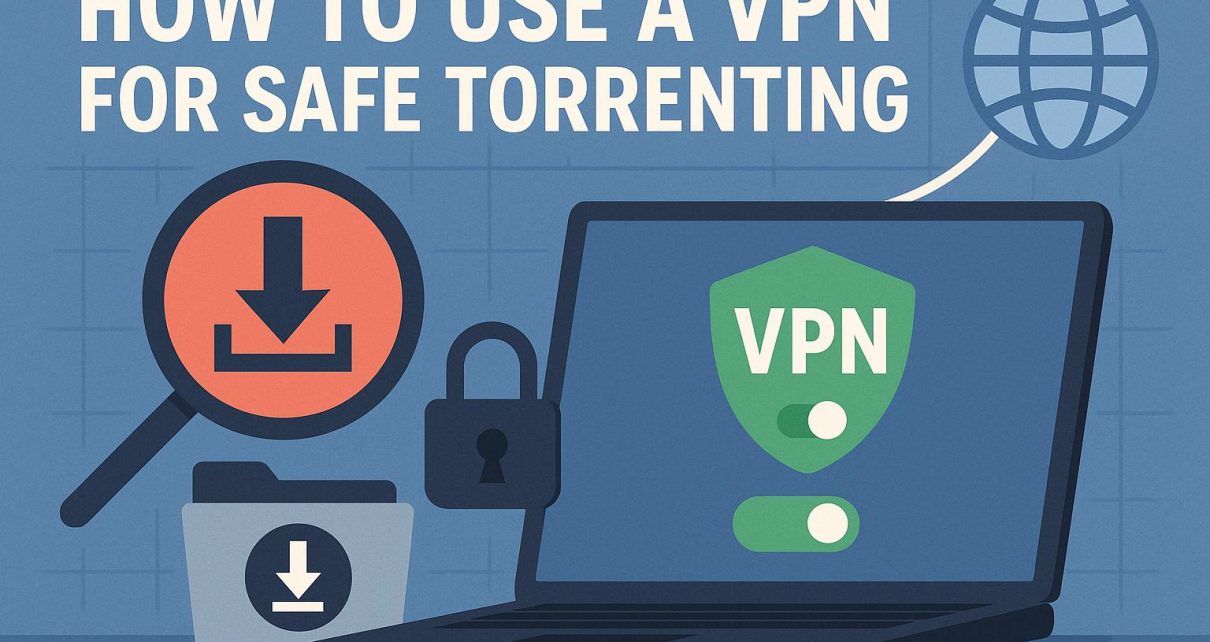
Engaging in torrenting activities raises several concerns, particularly regarding privacy and security. To address these issues, utilizing a Virtual Private Network (VPN) is a widely recommended approach. A VPN encrypts your internet connection, thereby offering protection against unauthorized access and observation of your online activities by third parties.
Why Use a VPN for Torrenting?
There are several compelling reasons to employ a VPN while torrenting:
Firstly, by masking your IP address, a VPN helps maintain the anonymity of your online activities. This aspect is notably important, as it prevents Internet Service Providers (ISPs) and other potential monitors from tracking your actions online. When your IP address is concealed, your identity and location remain hidden, adding a layer of security to your torrenting sessions.
Secondly, VPNs provide data encryption, a vital feature to ensure that any information you exchange over the internet is protected from cyber threats. Encryption turns your data into an unreadable format that is only decipherable with the correct decryption key, thereby securing your sensitive information from hackers and other malicious entities.
Choosing the Right VPN
The process of selecting a VPN specifically for torrenting involves evaluating various factors to ensure you have the most suitable option for your needs.
Server Speed and Availability:
When it comes to torrenting, the speed of the VPN servers you use is crucial. Opt for a VPN service that boasts high-speed servers as this will facilitate quick download times for torrent files. Additionally, a VPN with servers dedicated to torrenting can enhance your experience, as these servers are optimized for such activities.
No-Logs Policy:
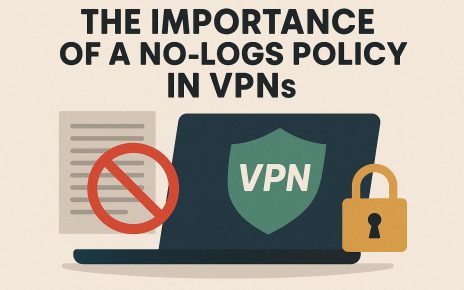
A strict no-logs policy is another cornerstone of a good VPN for torrenting. This policy means that the VPN provider does not keep records of your online activities, which ensures your privacy remains intact and undocumented. Always select a VPN provider that openly declares a no-logs policy to maintain confidence in your anonymous browsing.
Security Features:
Security is always a priority. Look for a VPN that includes comprehensive security features such as military-grade encryption and a kill switch. Military-grade encryption, such as AES-256, is among the strongest available and ensures that your data remains secure. A kill switch is an equally valuable feature, as it automatically disconnects your device from the internet if the VPN connection fails, thus preventing any data leaks.
Peer-to-Peer (P2P) Support:
It is essential to verify that the VPN supports peer-to-peer (P2P) file sharing since not all VPN services permit torrenting. Ensuring that your VPN allows P2P connections will facilitate a smooth torrenting process and avoid any disruptions or legality issues.
Setting Up and Using a VPN for Torrenting
Setting up and utilizing a VPN for torrenting involves straightforward steps but demands attention to detail.
1. Download and Install the VPN:
Your initial step is selecting a VPN provider that meets your requirements and proceeding to download their software. Most VPN services offer user-friendly applications for various operating systems, and the installation process is generally simple, often requiring just a few clicks.
2. Connect to a VPN Server:
After completing the installation, open the VPN application. Your next step is to connect to a server that supports torrenting. For optimal results, choose a server located in a country with lenient torrenting laws, as this can prevent potential legal issues and ensure that the server is configured for high-speed connections.
3. Launch Your Torrent Client:
Once you have established a VPN connection, you can proceed to open your preferred torrent client. The active VPN will provide an encrypted connection, safeguarding your data during the downloading process. Make sure that the VPN is running at all times while torrenting to ensure continuous protection.
Ensuring Safe Torrenting Practices
While utilizing a VPN enhances your security, it is still crucial to implement additional safe practices when torrenting to further mitigate risks.
Always prioritize downloading files from reputable sources. This cautious approach helps in avoiding malware and ensures that the files you are accessing are safe. Moreover, pay attention to torrent comments and ratings, as these often provide insights into the file’s legitimacy and quality.
In addition to using a VPN, maintain an updated antivirus program on your system. Cyber threats are constantly evolving, and antivirus software can provide an additional security layer, protecting your system from potential vulnerabilities posed by malicious files.
By diligently following these safety measures and opting for a high-quality VPN service, you can protect your torrenting activities, securing both your privacy and data. Keep in mind that while VPNs offer substantial protective benefits, engaging in responsible torrenting practices is equally essential for a comprehensive security strategy.
For those seeking more in-depth information about VPN services and their features, specialized tech websites and detailed guides from trusted cybersecurity firms can offer valuable insights and detailed knowledge on the topic.