Introduction
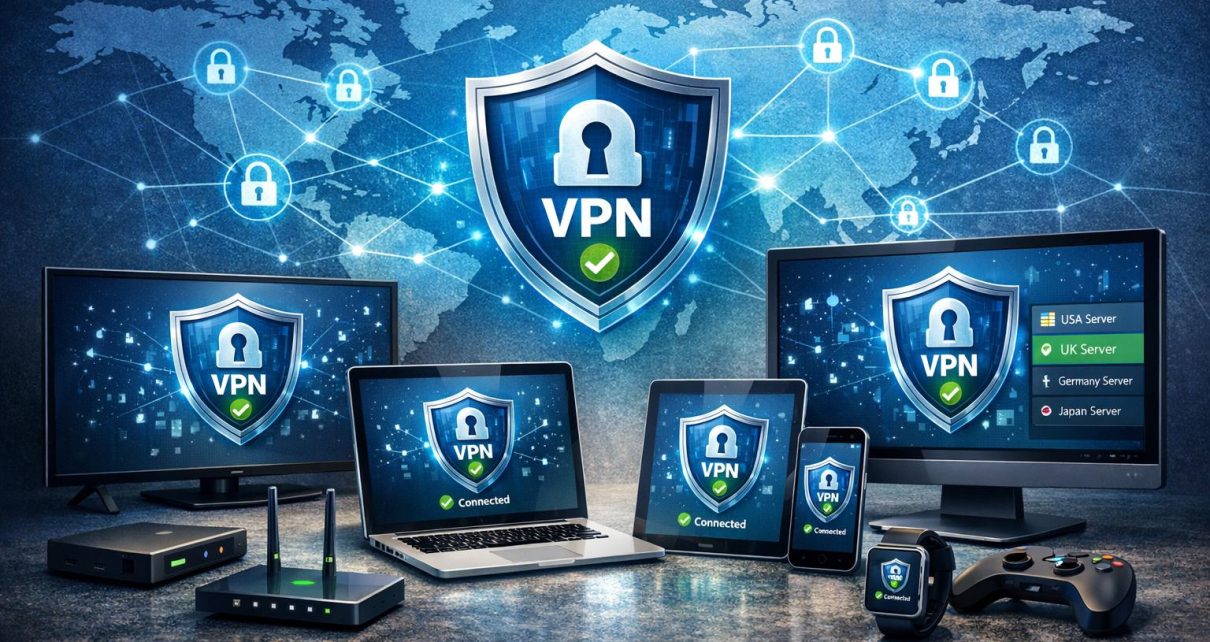
A Virtual Private Network (VPN) provides secure online connectivity by encrypting your internet traffic and masking your IP address, making your online actions significantly harder to trace. As digital habits evolve, individuals increasingly rely on multiple devices throughout the day, including smartphones, laptops, tablets, smart televisions, and even connected home systems. This shift has made multi-device VPN plans particularly relevant. Instead of limiting protection to a single device, these plans extend coverage across an entire personal or household ecosystem. As a result, they offer both practical convenience and broader protection in an environment where digital exposure is constant.
Comprehensive Security Across Devices
One of the most advantageous features of a multi-device VPN plan is its ability to provide comprehensive security across a wide range of devices. Each device connected to the internet represents a potential access point for threats such as malware, phishing attacks, or unauthorized tracking. By applying VPN protection consistently, users reduce vulnerabilities that might otherwise arise from switching between secured and unsecured connections.
This approach is particularly relevant in environments where devices serve different purposes. For example, a laptop may be used for work-related tasks involving sensitive data, while a smartphone could be used for banking, communication, and media consumption. Without unified protection, gaps may emerge. A multi-device VPN ensures that all data transmitted across these platforms benefits from encryption protocols, helping maintain data integrity and confidentiality.
Cost-Effective Solution
From a financial perspective, multi-device VPN plans are generally more cost-effective than maintaining several individual subscriptions. VPN providers typically design these plans with bundled pricing models that allow multiple simultaneous connections under one account. This approach reduces the per-device cost and eliminates the need for redundant subscriptions.
Beyond direct savings, the economic benefit also includes reduced administrative overhead. Users do not need to manage multiple billing cycles or renewal dates, which simplifies budgeting and reduces the likelihood of service interruptions. For families or small teams, this bundled structure provides a practical way to extend protection without increasing complexity or expense.
Simplified Management and Ease of Use
Managing separate VPN installations and accounts across devices can quickly become inefficient. A multi-device VPN plan addresses this issue through centralized management. With a single account, users can monitor and control active connections, adjust settings, and apply updates across all devices.
Modern VPN services often complement this structure with intuitive applications that are consistent across operating systems. Whether the user is operating on Windows, macOS, Android, or iOS, the interface typically follows similar design principles. This consistency reduces the learning curve and makes it easier to maintain secure connections without extensive technical knowledge.
Additionally, many providers allow simultaneous connections without requiring repeated authentication, which contributes to a smoother user experience. Switching between devices becomes more efficient, especially for users who transition frequently between workspaces, such as from home to office or while traveling.
Consistent Performance
A potential concern when using multiple devices under one VPN plan is whether performance will degrade. However, many providers design their infrastructure to support multiple concurrent connections without significant loss of speed. This is achieved through optimized server networks, load balancing, and advanced protocols that maintain both stability and speed.
Consistent performance is particularly important for activities such as video streaming, online gaming, and remote work applications. Multi-device VPN plans often include access to a wide range of servers across different geographic regions, allowing users to select optimal connections based on their needs. This helps maintain low latency and reliable bandwidth, even when several devices are connected at once.
Furthermore, performance stability ensures that security does not come at the expense of usability. If a VPN significantly slows down internet speeds, users may be less inclined to keep it active at all times. Multi-device plans that maintain consistent performance help reinforce continuous usage, which is essential for maintaining protection.
Enhanced Privacy and Anonymity
Using a VPN across multiple devices contributes to a more consistent level of privacy and anonymity. Each device generates data that can potentially be tracked by websites, advertisers, or third parties. Without unified protection, patterns can emerge that link activities across platforms. A multi-device VPN mitigates this by masking IP addresses and encrypting traffic across all devices simultaneously.
This is particularly relevant in public or shared network environments. Public Wi-Fi networks, such as those found in cafes, airports, or hotels, often lack strong security measures. When multiple devices connect to such networks, each one becomes susceptible to interception. A multi-device VPN reduces this risk by ensuring that all traffic passing through these networks is encrypted, regardless of which device is in use.
In addition, consistent VPN usage can limit data profiling by reducing the amount of identifiable information exposed during browsing sessions. This contributes to a more controlled digital footprint, which is increasingly important in environments where data collection is widespread.
Flexibility for Different Use Scenarios
Multi-device VPN plans also provide flexibility that aligns with modern usage patterns. Users rarely rely on a single device for all online tasks. Instead, activities are distributed across platforms depending on convenience and functionality. A smartphone may be used for quick access, while a desktop may support productivity tasks, and a smart TV may handle streaming.
By supporting multiple simultaneous connections, these plans allow users to maintain secure access regardless of context. This flexibility is especially relevant for households where multiple individuals share a single subscription. Each user can connect their preferred devices without interfering with others, provided the connection limit is not exceeded.
For remote workers, this flexibility extends to professional environments. Secure connections can be maintained across both personal and work devices, reducing the risk of exposing sensitive organizational data. This makes multi-device VPN plans practical not just for individual use, but also for hybrid work scenarios.
Considerations When Choosing a Multi-Device VPN
Selecting an appropriate VPN provider remains an important step in maximizing the benefits of a multi-device plan. Not all providers offer the same number of simultaneous connections, and this limit can influence how effectively the plan meets user needs. Users should evaluate whether the allowed number of devices aligns with their usage patterns.
Connection speed and reliability are also key considerations. A provider may support many devices, but if the network infrastructure cannot sustain performance, the practical benefit is reduced. Reviewing technical specifications and independent user feedback can provide insight into real-world performance.
Privacy policies should also be examined carefully. A VPN is intended to enhance privacy, but its effectiveness depends on how the provider handles user data. Policies regarding logging, data retention, and jurisdiction can all affect the level of privacy achieved.
User support and software compatibility are additional factors. A provider that offers responsive customer support and regularly updated applications is more likely to provide a stable and secure experience over time. Compatibility with a wide range of operating systems ensures that all devices within a multi-device plan can be effectively protected.
Conclusion
Multi-device VPN plans represent a practical evolution in online security, addressing the realities of modern digital behavior. By extending protection across multiple devices, they reduce vulnerabilities, streamline management, and improve overall efficiency. The cost advantages further enhance their appeal, particularly for households or users with diverse device ecosystems.
When combined with consistent performance and strong privacy safeguards, these plans provide a balanced approach to maintaining secure and reliable internet access. Users can explore options from reputed providers by visiting their websites to identify a plan that aligns with their specific requirements.