
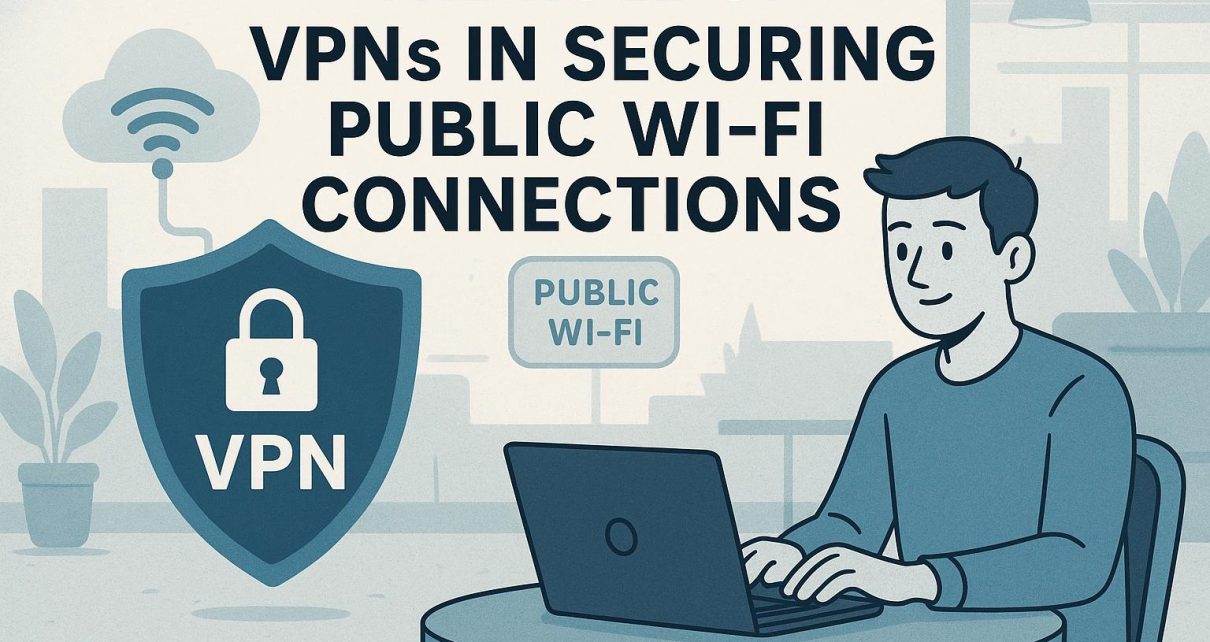
The Importance of VPNs in Public Wi-Fi Security
Using Public Wi-Fi networks, available in places like cafes, airports, hotels, and various other public settings, provides users with a convenient way to access the internet. Nevertheless, such networks are accompanied by inherent security vulnerabilities. To counteract these vulnerabilities, Virtual Private Networks (VPNs) serve a pivotal role in securing internet connections. By implementing a VPN, users gain an added layer of protection, mitigating the risks typically associated with using public Wi-Fi.
Understanding Public Wi-Fi Risks
Public Wi-Fi networks are designed to be accessible, which often means they lack encryption. This means that any data transmitted over these networks can be intercepted without much difficulty by malicious parties seeking unauthorized access. The dangers involved include potential data breaches where login credentials, personal emails, and financial details could be targeted. In practice, hackers capitalize on these vulnerabilities by utilizing tools that enable them to execute man-in-the-middle (MITM) attacks or by setting up rogue hotspots to trick users into connecting to the wrong network.
The Functionality of a VPN
VPNs are essential tools in the realm of online security, providing a secure and encrypted tunnel between a user’s device and the internet. By encrypting all transmitted data, VPNs make it exceedingly challenging for third parties to intercept or read any communication. Once connected to a VPN, your actual IP address is concealed, meaning your online activity appears to originate from the VPN server. Consequently, VPN usage introduces an additional layer of privacy and security that makes casual eavesdropping or data theft more challenging.
Encryption Protocols
The core functionality and security of a VPN hinge on its encryption protocols. Commonly employed protocols include OpenVPN, L2TP/IPsec, and IKEv2/IPsec, each providing distinct levels of security and performance. The choice of protocol immensely influences the connection speed and the degree of security provided. Having a basic understanding of these protocols allows users to make more informed decisions when selecting a VPN service tailored to their specific needs.
Using VPN on Different Devices
An advantage of most VPN services is their compatibility with various devices, including smartphones, tablets, and laptops. This multi-device compatibility ensures that users can secure their connection no matter which device they are utilizing. It is crucial for users to regularly update their VPN applications to protect against newly discovered vulnerabilities. Regular updates not only improve performance but also enhance security features, therefore maintaining robust protection across all devices.
Factors to Consider When Choosing a VPN
Selecting an appropriate VPN service requires consideration of several factors vital for effective security and a satisfactory user experience. Here are some significant aspects to keep in mind:
Server Locations: The efficacy of a VPN may depend significantly on the variety of server locations it offers. A broad range of server locations can potentially provide better access speeds and open up a greater variety of content across different geographic regions, enhancing both speed and accessibility.
Privacy Policies: A VPN is only as trustworthy as its privacy policies. Opt for providers that adhere to a stringent no-logs policy, ensuring that your internet activities remain private and are not stored or shared by the service provider. This is fundamental to maintaining privacy, as it assures users that, even in the event of data requests by third parties, there will be no records to disclose.
Speed and Performance: While encryption does inherently slow down an internet connection, reputable VPN services are engineered to minimize this slowdown. Striking a balance between robust encryption and maintaining fast and stable connection speeds is key to an optimal user experience.
Conclusion
Navigating an era where digital privacy and security hold critical importance necessitates the utilization of tools like VPNs for safeguarding personal data on public Wi-Fi networks. Despite no security measure being impervious to threats, the encryption and anonymity offered by VPNs considerably bolster protection against many common threats. For users seeking further guidance in selecting the right VPN or eager to delve deeper into understanding encryption protocols, exploring resources provided by reputable organizations specializing in internet security is highly recommended.
By conscientiously adopting these precautions, users can significantly diminish the risks associated with public Wi-Fi usage and can experience safer, more secure browsing habits. Additionally, this proactive approach in managing Wi-Fi security underscores the importance of personal data protection in today’s increasingly connected world.